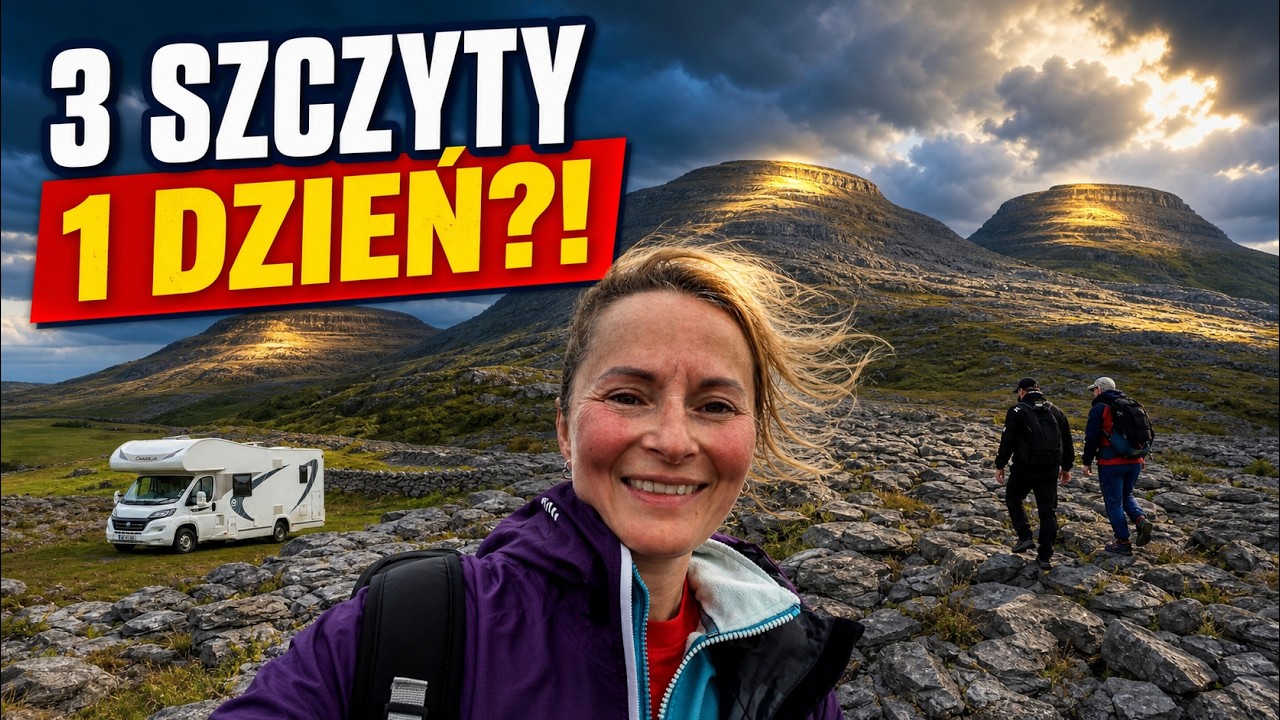
The Burren in County Clare feels like another planet. Open ground tempts you to take a direct line, but fractured limestone can be slow going. Wet rock is slippery, grass hides uneven ground and mist can quickly reduce visibility. Judge a route by its terrain and your group's ability as well as its distance.
Route and escape plan
Save an offline route, landmarks, elevation information and safe options for shortening the walk. Tell someone where you are going and when you expect to return. Do not rely solely on mobile reception for navigation.
Allow extra time for slippery sections, route finding and breaks. A group moves at the pace of its slowest member. A plan involving several summits should include a shorter option, chosen before fatigue starts affecting decisions.
Footwear and clothing
Grip on wet rock and ankle stability matter. Broken-in walking boots are a better choice than a new pair worn for the first time. We use layers: a moisture-wicking base layer, insulation and a windproof, waterproof outer layer.
Dry socks, a light hat and gloves are useful even when it is sunny at the car park. Exposed ridges can feel much colder very quickly.
Water, food and energy
Carry supplies appropriate to the route, weather and opportunities to replenish them. Do not assume water found along the way is safe to drink. Choose food that is easy to eat during a short stop and provides energy without cooking.
Keep the phone carrying your map charged and take a power bank. Airplane mode with location enabled can reduce battery use. A paper map and compass are useful only if you know how to use them.
Walking on limestone
Look several steps ahead and avoid jumping across fissures. Wet, polished rock can be particularly slippery. Set a pace that lets you stay focused at the end of the day. Walking poles may help, but their tips can become trapped in cracks.
In the Burren, a shorter line on the map is not always faster on the ground.
Respect the place
Do not move stones, build cairns or leave a permitted route just for a better shot. Take all litter home, close gates and avoid disturbing animals. Park without blocking farm entrances or narrow roads.
When should you turn back?
Poor visibility, strong wind, an injury or a slowing pace may make returning the right decision. The summit will still be there. A successful walk ends with the whole group safely back at the camper.
Our three-summit hike
The film shows our actual pace, terrain and changing weather on a route of nearly 26 kilometres. It records our day; it is not a navigation track or a promise of identical conditions.